Gas Line Installation for Home Renovations: What You Need to Know

If your remodel includes a new stove, tankless water heater, dryer, fireplace insert, or standby generator, you may need professional gas line installation in Pensacola. Done right, it keeps your home safe, efficient, and ready for the upgrades you planned. Done wrong, it can stall inspections or put your family at risk. This guide explains how the process works, what to expect in our coastal climate, and how DeFranco Gas can help from the first walkthrough to final inspection.
Why Gas Line Installation Matters During Renovations
Gas piping is the quiet backbone behind many home comforts. When you change appliances or add rooms, the existing system may not have the capacity or routing to serve those loads. A licensed pro will calculate demand, size the pipe, and plan a path that protects the structure and air quality while maintaining proper pressure for every appliance.
This matters in neighborhoods like East Hill, Cordova Park, and North Hill, where many homes blend original framing with modern kitchens. Older lines may be undersized for a high-BTU range or for a new outdoor kitchen. In newer areas such as Beulah or Cantonment, you might have flexible options for routing, but the final design still needs to match appliance requirements and pass inspection.
How Gas Line Installation in Pensacola Works
Planning and Load Calculation
Your installer starts with a site visit. They document appliances, BTU ratings, venting paths, and the distance from the meter or tank. With this information, they size the system to maintain proper pressure from the source to the final connection point. The plan may include rerouting, adding a manifold, or reserving capacity for future upgrades like a pool heater or generator.
Routing and Materials
Inside the home, pros often use black iron pipe or CSST, a flexible stainless steel tubing designed for speed and clean routing. For buried exterior lines, polyethylene is common. Each material has fittings, support, and bonding requirements that must follow manufacturer instructions and local code. Seismic straps, protective sleeves through studs, and corrosion protection at penetrations help the system last in our salty, humid air.
Permits and Utility Coordination
Permits and inspections are typically required for new or altered gas piping. Specific steps can vary by project scope and by the local building authority or utility provider. Your contractor should handle the paperwork, schedule inspections, and coordinate meter work if needed. Timelines can shift during peak renovation season or when weather delays outdoor work.
Pressure Testing and Inspection
After installation, the system is sealed and pressurized. Gauges are monitored for a set period to verify there are no leaks. An inspector may witness the test or return after documentation is submitted, depending on the jurisdiction. Never use gas appliances until a licensed professional completes a pressure test and inspection.
Final Appliance Hookups and Commissioning
Once approved, appliances are connected with approved connectors and shutoff valves. The installer checks for leaks at every joint, confirms clearances, and adjusts combustion settings if the manufacturer requires it. You receive documentation of the work for your records and for future projects.
Local Insight: Pensacola's hurricane season can affect scheduling for exterior work and inspections. Plan your gas upgrades early in the season so trenching, pressure tests, and utility coordination are not delayed by storms or saturated soil.
Local Factors Pensacola Homeowners Should Consider
Coastal climate, soil conditions, and neighborhood age all play a role in safe, durable gas piping. Here are factors we evaluate on projects from Warrington to Ferry Pass and out toward Perdido Key:
- Salt air and humidity can speed corrosion at exposed fittings. Protective coatings and correct materials help prevent early wear.
- Sandy soils can settle after heavy rains. Proper burial depth, bedding, and marking reduce stress on underground lines.
- Historic framing in areas like East Hill may limit straight runs. Flexible solutions and careful support keep structure intact.
- Flood-prone zones may require special placement and protection for regulators and low connections.
- Neighborhood rules or HOAs, common near Gulf Breeze and Perdido areas, may guide where outdoor kitchens or generators can sit.
Safety and Code Basics Every Homeowner Should Know
Safety comes first with any fuel system. Your contractor should follow current code and manufacturer instructions, use approved materials, and document pressure tests. Your role is to choose qualified help and maintain access for inspections. A few reminders make a big difference:
- Always call 811 before any digging. Utility locates protect you, your neighbors, and your project schedule.
- Choose a licensed and insured gas contractor to protect your home and comply with permitting and inspection requirements.
- Keep shutoff valves accessible and labeled. Know where your meter or tank shutoff is located.
- If an appliance is converted from propane to natural gas or vice versa, ensure the correct orifice kit and settings are used.
- If you smell gas, evacuate and call your utility and 911. Do not use switches, phones, or anything that could spark indoors.
Common Renovation Scenarios We Handle
Every home is different, but renovation needs in Pensacola often fall into a few categories. Here is how a professional gas services team approaches them:
Kitchen upgrades: New ranges, cooktops, and wall ovens can require larger supply lines or a closer manifold. Routing often runs through the crawl space or attic, guided by framing and cabinet layouts.
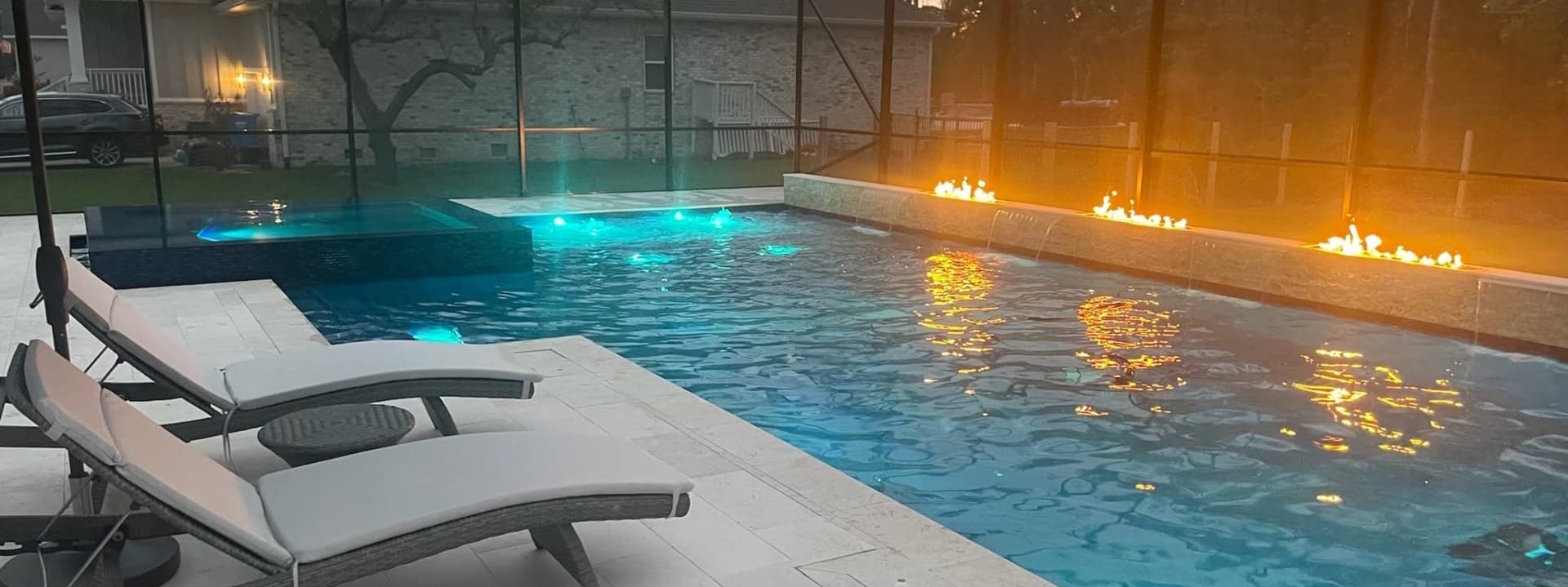
Outdoor kitchens and fire features: Exterior gas lines must be rated for burial and protected as they pass through slabs or pavers. We plan shutoffs in weather-protected, easy-to-reach spots for seasonal service.
Tankless water heaters: These appliances can demand higher BTU supply than a standard tank. Proper sizing and venting keep hot water steady for busy households in Cordova Park or North Hill.
Laundry upgrades: Switching from electric to gas dryers can lower energy use. The design includes a shutoff valve, drip leg where required, and a connector with the correct length and rating.
Fireplace inserts and logs: Venting details, clearances, and combustion air all matter for both comfort and safety. The final setup should include a convenient shutoff near the unit.
Standby generators: Generators place continuous demands on the system during outages. The line must be sized so essential appliances still perform while the generator runs.
Timeline and What to Expect
Schedules vary by home size, material choices, and the season. Here is a general path your project may follow:
Initial conversation: You share your renovation plans and appliance list. We discuss location, capacity, and whether the utility or tank needs changes.
On-site evaluation: A licensed technician measures runs, checks access, and reviews options to minimize drywall or exterior repairs after installation.
Proposal and permitting: You receive a written scope with materials and testing methods. Your contractor files permits when required and coordinates with inspectors or the utility.
Installation day: Crews protect floors, open access points, and set hangers or trench routes. Lines are assembled, bonded where required, and labeled for clarity.
Testing and inspection: The system is pressurized, documented, and inspected. Any punch-list items are addressed promptly.
Start-up and walk-through: Appliances are connected and tested. You learn where shutoffs are and how to read any labels or tags added to the system.
Signs Your Existing Gas System Needs Attention
Even if you are not changing every appliance, certain clues suggest the system deserves a closer look during your remodel:
- Yellow or lazy burner flames, frequent pilot outages, or soot buildup on cookware.
- Hissing sounds, damaged connectors, or visible rust at unions and valves.
- Appliances starve for gas when more than one runs at the same time.
- Old unbonded CSST or connectors without modern markings.
- Lines routed through tight framing without sleeves or protection at sharp edges.
How DeFranco Gas Supports Your Renovation
Renovations move fast, and coordination matters. DeFranco Gas assigns a dedicated point of contact so you always know what is next. Our team handles the load calculations, material choices, and documentation your inspector expects. We protect your home during work, clean up each day, and keep your project lead updated if weather or site conditions require schedule changes.
We work closely with general contractors, kitchen designers, and homeowners across Pensacola and Escambia County. Whether you are refreshing a bungalow in East Hill or finishing a new addition in Beulah, our gas services team helps match your vision with a safe, code-compliant plan. If you are adding future appliances later, we can design with room to grow so today's work does not box you in tomorrow.
Get Started Today
If your renovation includes gas appliances, planning early prevents headaches and keeps inspectors happy. Share your appliance list and layout, and we will size the system, coordinate permitting, and guide you from design to final inspection. To schedule a visit with DeFranco Gas, call 850-356-4084. We are ready to help you enjoy safe, reliable gas service in Pensacola, FL.